A plain english guide to power, ownership, and why the world is like this
The system isn't broken. It works exactly as designed.
You can't afford rent. You work harder than your parents did and have less to show for it. The planet is burning. None of this is an accident. Over the last 150 years, thinkers, workers, and organizers figured out the real mechanics of why β not the story the system tells about itself, but what's actually underneath. This is the short version.
Scroll to begin
Part 1 β How it works
Someone owns the machine. Everyone else works it.
Before you can change something, you need to understand how it actually functions. Not the story it tells about itself β the real mechanics. Here are the four most important structural insights that explain how it works.
π
Whoever owns the tools makes the rules
Factories, land, software platforms, warehouses, servers β the things you need in order to make things. Those who own them set the terms. Everyone else has to ask permission to work. That's not a metaphor. It's the starting point of every job interview you've ever had.
Karl Marx β a 19th-century German economist and philosopher β drew a sharp line between two groups: those who own the tools of production, and those who own only their labor and must sell it to survive. He called them the bourgeoisie and the proletariat β but the terms matter less than the structure they describe. This isn't about income. It's about ownership. A highly paid engineer who owns no production means is still in the second group.
What makes this insight powerful is how little has changed structurally. Amazon owns the warehouses, the servers, and the algorithm. You bring your body and your time. They decide if you're worth hiring β and at what price. If you say no, someone else says yes. Uber owns the app. You own the car β and the risk, the fuel, the repairs. They take 25β30% of every ride. You are not a partner. You are a cost they haven't had to put on their balance sheet.
The platform economy didn't invent this dynamic. It just made it more visible β and harder to ignore.
Source: Karl Marx & Friedrich Engels, The Communist Manifesto (1848); Das Kapital, Vol. 1 (1867)
β±οΈ
Profit comes from somewhere β and it's not magic
Profit is unpaid labor. Not reward for risk.
You work 8 hours. In 3, you produce enough value to cover your wage. The other 5? That value goes to the owner. Call it what it is: unpaid labor β the gap between what you produce and what you're paid. That gap is where profit comes from. Not from risk. Not from innovation. From your unpaid hours.
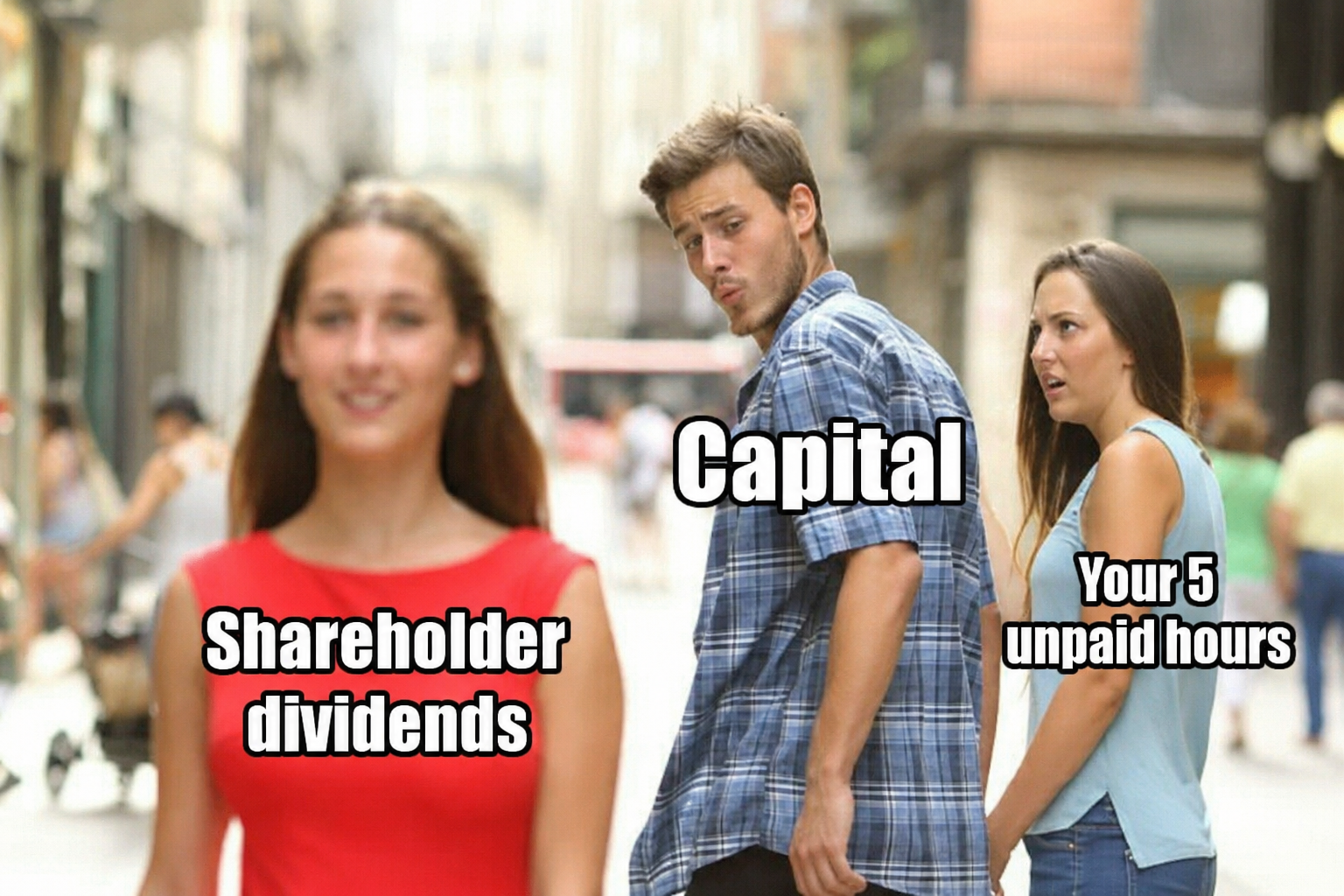
This is the most contested idea in the analysis on this page β and arguably the most important. Mainstream economics says profit comes from risk-taking, innovation, and investment. Karl Marx said that's a story owners tell. The actual source of profit is unpaid labor time.
Here's a concrete example: a barista makes 200 coffees a day at β¬5 each β β¬1,000 in revenue. She earns β¬80. The owner keeps the rest after costs. She made all of it. She decided none of it. The difference between what she produced and what she received is the unpaid portion β what Marx called surplus value.
This is not about bad bosses. A kind, generous boss running this system produces the same result. The extraction is built into the structure, not the personality. That's why the analysis here focuses on the system rather than the individuals within it.
Source: Karl Marx, Das Kapital, Vol. 1, Chapter 7 (1867)
π§βπ§You work8 hours
β
π°You get paid3 hrs worth
β
π¦Owner keeps5 hrs worth
Every. Single. Quarter.
π
The math of ownership always runs upward
The rich get richer. Automatically. By design β not by accident.
Profit gets reinvested into more machines, more platforms β which generates more profit. Capital must grow or fall behind competitors. There is no ethical opt-out. The CEO who tries to be "fair" gets replaced by one who doesn't. And when a machine replaces a worker? The owner keeps the savings. The worker loses the income. Automation in this system is a threat β not because technology is bad, but because the machine belongs to the wrong person.
This compounding logic of ownership is mathematically inevitable: you need capital to make capital. Profit gets reinvested, which generates more profit, which gets reinvested again. Companies that don't grow lose market share to ones that do. Growth isn't a choice β it's the condition of survival. The result: if you start with nothing, the gap between you and those who own grows wider every single year β automatically, without anyone being individually evil.
Karl Marx described this as the central dynamic of the system β wealth concentrating upward not through conspiracy or cruelty, but through the basic arithmetic of how ownership works.
Globally, the richest 1% own more wealth than the bottom 95% of humanity combined. In most wealthy countries, the bottom 50% of the population own less than 2% of total wealth β while the top 1% own between a quarter and a third. This gap has grown every decade since the 1980s, in every country where it has been measured. This isn't a malfunction. It's the compounding math of the system working exactly as described.
Source: Marx, Das Kapital Vol. 1, Chapter 25; Oxfam Inequality Report 2024; World Inequality Database 2023
πͺ
Why work feels hollow β and why that's by design
You don't just lose money. You lose yourself.
When you don't control what you make, how you make it, or who gets it β work stops being an expression of who you are. It becomes something done to you. That feeling of being a cog in a machine? It's not a personality problem. It's the system.
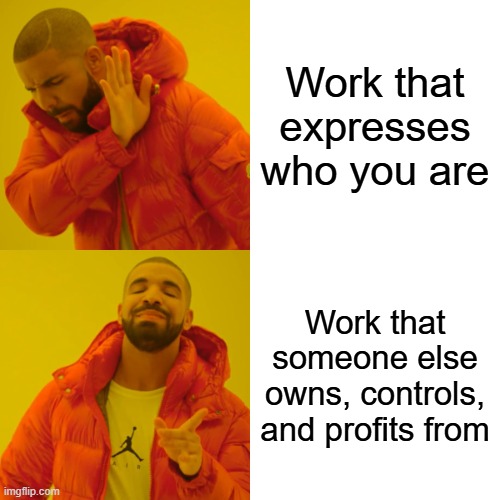
In his early writings, Karl Marx described four distinct types of disconnection from work in this kind of system. Workers are alienated from the product of their labor β it belongs to the owner, not them. From the act of production itself β they follow orders, not their own creativity. From other human beings β competition instead of cooperation. And from their own human potential β reduced to a function, not a full person.
This is why so many people feel empty doing jobs that pay reasonably well. It's not ingratitude β it's the structural reality of selling your time to someone else's goal, with no say in what gets made or who gets it.
The antidote Marx imagined: work where you control the process and own the result. Not because it would be more productive β but because it would be more human.
Source: Karl Marx, Economic and Philosophic Manuscripts of 1844
Every job posting, summarized.
So: owners extract unpaid labor, capital grows automatically, and work hollows people out. What does that produce in the real world?
Part 2 shows the direct consequences β housing, health, time, and the climate.
Part 2 β The consequences
A system built on extraction pays the bill somewhere.
The costs of this system don't disappear β they get transferred. To workers. To communities. To the planet. The question is always the same: who absorbs the cost so someone else can keep the profit?
π
Cost 1 β Housing
There is no housing shortage. There is a profit shortage.
Almost two million apartments stand empty in Germany while hundreds of thousands can't find affordable housing. It's more profitable for owners to leave them empty than to rent them affordably. The market is working perfectly. Just not for people who need homes.
The German census of 2022 found 1.9 million empty apartments nationwide β over 40,000 in Berlin alone, 20,000 in Munich. In cities with acute housing shortages. Meanwhile rents have risen 64% since 2010 according to the German Institute for Economic Research (DIW).
When Berlin introduced a rent cap (Mietendeckel) in 2020, the Federal Constitutional Court struck it down β protecting property rights over housing rights. Vienna chose differently. Since the 1920s, Vienna has built publicly owned housing. Today 60% of Viennese residents live in subsidized apartments at a fraction of Berlin's market rents. This was a political choice about who housing is for: people or profit.
Source: Zensus 2022, Statistisches Bundesamt; DIW Berlin 2024; Stadt Wien Wohnbau
π
Cost 2 β Health
Insulin was invented in 1921. The patent sold for $1. Then someone changed their mind.
The inventor sold the patent for $1 so everyone could have it. Corporations later reacquired variations, repatented them, and priced diabetics out of survival. People ration their doses and die. The companies post record profits. Someone decided that was acceptable.
Frederick Banting, who co-discovered insulin in 1921, sold the patent to the University of Toronto for $1, explicitly so it would remain affordable for everyone. Within decades, pharmaceutical companies developed modified versions, patented those, and priced them far beyond what many patients could afford. In the US, insulin can cost $300 a vial despite costing approximately $6 to produce.
The market consistently produces medicine for those who can pay, not for those who need it. Diseases that primarily affect poor countries receive minimal research investment. 500,000 Americans go bankrupt from medical bills every year. In countries with public healthcare systems, this number is effectively zero. The difference isn't medical. It's political economy.
Source: JAMA 2021; Kaiser Family Foundation 2023; Oxfam Pharmaceutical Report 2023
β°
Cost 3 β Your time
Productivity doubled since 1970. Working hours didn't drop. Where did the gains go?
We produce twice as much per hour as fifty years ago. Technology was supposed to free us. Instead the gains went to owners and shareholders. We work just as long, for relatively less. A 4-day week was always within reach. The question was who keeps the extra.
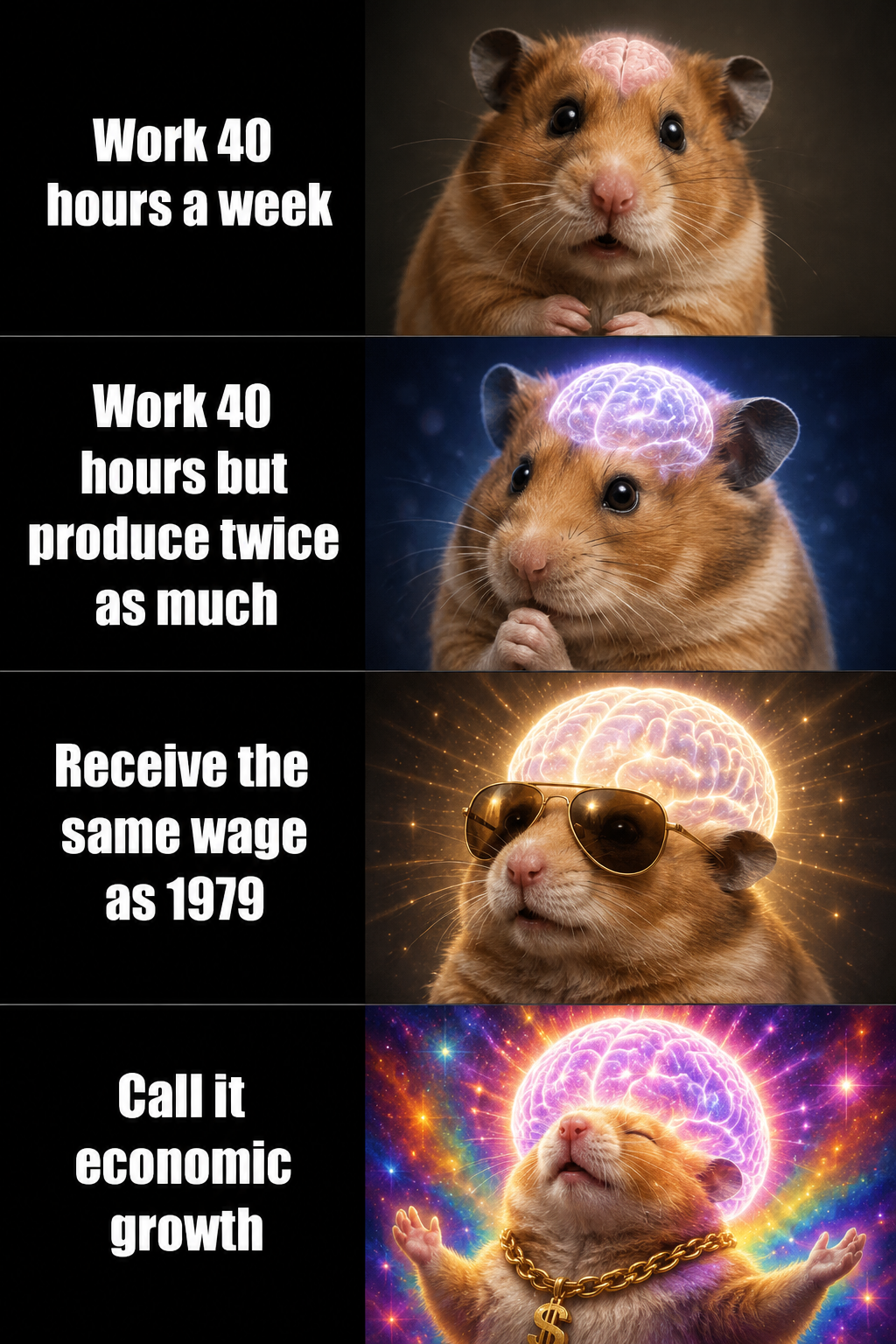
In 1930, economist John Maynard Keynes predicted that by 2030, technological progress would mean people only needed to work 15 hours a week. The technology arrived. The reduction in working time didn't β because the productivity gains weren't shared with workers. They went to shareholders as profit and dividends.
Between 1979 and 2020 in the US, productivity rose 61.8%. Hourly pay for typical workers rose 17.5%. The gap β roughly 44 percentage points β represents wealth transferred upward through exactly the mechanism Marx described: surplus value captured by owners rather than returned to workers.
Companies and countries that have trialed 4-day weeks report no productivity loss β and significant improvements in worker health, retention, and wellbeing. The barrier isn't economic. It's political: who controls how productivity gains are distributed.
Source: Economic Policy Institute, 2021; Keynes, "Economic Possibilities for our Grandchildren" (1930); 4 Day Week Global Trial Results, 2023
π
Cost 4 β The planet
The climate crisis isn't a side effect. It's what a profit-first system produces when it meets a finite planet.
A system that must maximize short-term profit cannot protect long-term survival β the logic doesn't allow it. Fossil fuel companies knew this since 1977. They chose profit anyway. Every quarter of record profits was a quarter the crisis got worse.
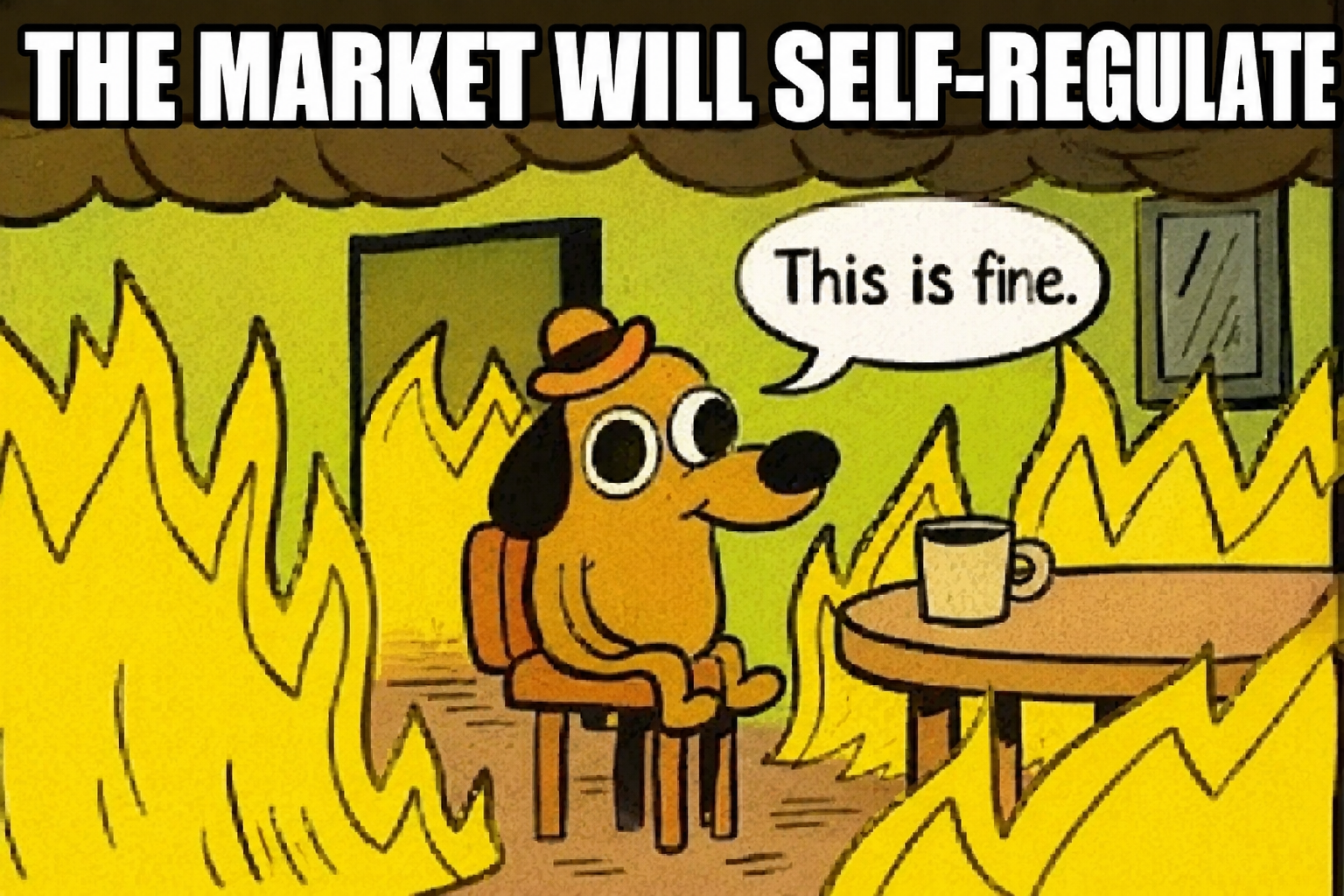
In 1977, Exxon's senior scientist James Black told the company's management committee that burning fossil fuels was causing global warming. Internal research confirmed this repeatedly through the 1970s and 80s. The company buried the findings and spent the next four decades funding climate denial β the same playbook tobacco companies used to delay action on lung cancer.
A 2023 Harvard study published in Science assessed Exxon's internal climate models and found they had predicted global warming with "shocking skill and accuracy" β and then the company actively worked to deny that same science publicly.
29 UN climate conferences. Voluntary pledges. No binding enforcement. Fossil fuel companies made over $3 trillion in profit in the same period. The market had no mechanism for pricing the destruction of the conditions for human life. It was working exactly as designed. Below is what the median climate projection β not worst case β means for your lifetime if nothing structurally changes.
Hotter summers. Wildfires every year. Floods that weren't there before. You've grown up with it β it feels normal. It isn't. This is already the crisis scientists warned about for 50 years.
The crisis has started. You were born into it.
2040
You're ~35
The cost of living becomes survival math
Food prices spike permanently as harvests fail across multiple continents. Home insurance disappears in coastal and fire-prone areas. Hundreds of millions are displaced globally. Borders harden. Politics radicalizes.
If you have kids, this is their childhood.
2055
You're ~50
Parts of the world become unlivable in summer
Temperatures in South Asia, the Middle East, and Sub-Saharan Africa regularly exceed what the human body can survive outdoors. Not extreme events β average summers. Over a billion people live there.
This is not a refugee crisis. It is a displacement of civilizations.
2085
You'd be ~80
The world your grandchildren inherit
Coastal cities flooded. The Amazon has crossed its tipping point and now releases carbon instead of absorbing it. Crop systems that fed billions have collapsed. This is the median projection β not worst case.
The people who made this decision will have been dead for 50 years. You will not.
The market will not solve the climate crisis. The market is the climate crisis. A system built to maximize short-term profit cannot fix a problem caused by maximizing short-term profit. Only the branding changes.
So why doesn't everyone see this? Why isn't the world already demanding change? Because the system does something else too β it shapes what you think is possible.
Part 3: How ideas keep the system in place more effectively than any police force.
Part 3 β The invisible cage
The most powerful prison has no walls.
Keeping workers exploited through force alone is expensive and unstable. A much more effective strategy: make the exploitation feel natural. Make the current order feel like the only possible order. Make alternatives feel dangerous or naive.
π§
How common sense gets manufactured
The people running the system don't just own the economy. They shape what feels like common sense.
An Italian political philosopher imprisoned by Mussolini for his ideas called this hegemony. Power isn't just held through force β it's held by making one group's worldview feel like reality itself. You don't need censorship if people can't imagine alternatives.
Antonio Gramsci β the Italian philosopher imprisoned by Mussolini in the 1920s for his political writings β observed that ownership-based societies maintain their order not primarily through force but through cultural hegemony: the dominance of ruling-class ideas across schools, media, religion, and everyday common sense. When workers accept that bosses naturally deserve more, that inequality reflects merit, that there is no alternative β the system doesn't need to police them. They police themselves.
This is why shared awareness β workers recognizing their common situation rather than seeing themselves as isolated individuals in competition β is so politically important and so carefully suppressed. As long as people see themselves as individuals competing against each other for jobs, rather than as a group with collective power against the owners of jobs, organized resistance is nearly impossible.
Gramsci's conclusion: changing the system requires first changing the ideas that make it seem permanent. That's what education, art, and political organizing are for.
Source: Antonio Gramsci, Prison Notebooks (1929β1935)
πΊ
Mechanism 1 β Media
Six corporations own 90% of US media. In Germany, Springer and Bertelsmann dominate. They don't need to call editors every morning. The editors already know.
Ownership shapes what gets covered, how, and with what framing. Strikes become "disruptions." Tax avoidance becomes "smart planning." The owners don't need to interfere directly β the structure does it for them.
Axel Springer SE β owner of Bild, Europe's largest tabloid, and Die Welt β historically required journalists to support the capitalist economic system in their editorial guidelines. Not guidelines for neutrality: explicit ideological commitments written into employment contracts.
When workers strike, coverage tends to emphasize disruption to consumers, not the reasons workers are striking. When billionaires avoid taxes, it's framed as individual behavior rather than structural policy failure. When alternatives to capitalism are discussed, they're typically framed as dangerous experiments with historical failures β while capitalism's ongoing failures are treated as weather, not decisions.
The effect is cumulative. Over years of this framing, what gets called "reasonable" and what gets called "radical" shifts β not through censorship, but through selection, emphasis, and repetition.
Source: Axel Springer editorial guidelines; Noam Chomsky & Edward Herman, Manufacturing Consent (1988)
The curriculum is a choice.
π
Mechanism 2 β Education
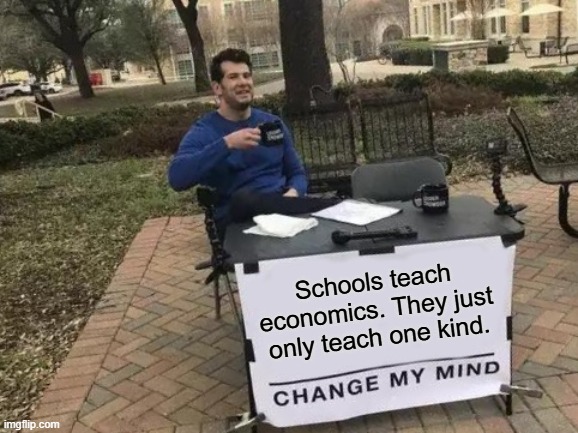
You learned supply and demand. You probably didn't learn surplus value, union history, or general strikes. That wasn't an accident.
The curriculum is a choice β made by someone, for a reason. What's included and what's left out shapes the limits of what students learn to consider possible. Ignorance isn't neutral. It's political.
The French philosopher Louis Althusser called schools an "ideological state apparatus" β institutions that reproduce the values, behaviors, and expectations the system needs to function. Students learn to sit still, follow instructions, meet deadlines, and compete for individual grades. These are also exactly the behaviors the ownership economy needs from workers.
More specifically: most economics education in schools teaches one school of thought β neoclassical economics β a framework that treats current market structures as natural and optimal. The tradition of political economy this site draws on, along with institutional economics and other heterodox approaches, are largely absent. Students graduate believing they understand economics when they've learned one ideological framework among several competing ones.
The questions you don't learn to ask are the questions that most threaten the status quo: Who owns the means of production? Where does profit actually come from? Who benefits from the current structure of property law?
Source: Louis Althusser, "Ideology and Ideological State Apparatuses" (1970)
π
Mechanism 3 β "There is no alternative"
TINA. The most effective lie is the one that feels like reality, not a lie.
Margaret Thatcher said "there is no alternative" to this economic system so often it became known by its initials: TINA. The point wasn't to argue for the status quo β it was to make alternatives unthinkable. Once you believe there's no alternative, you stop looking for one.
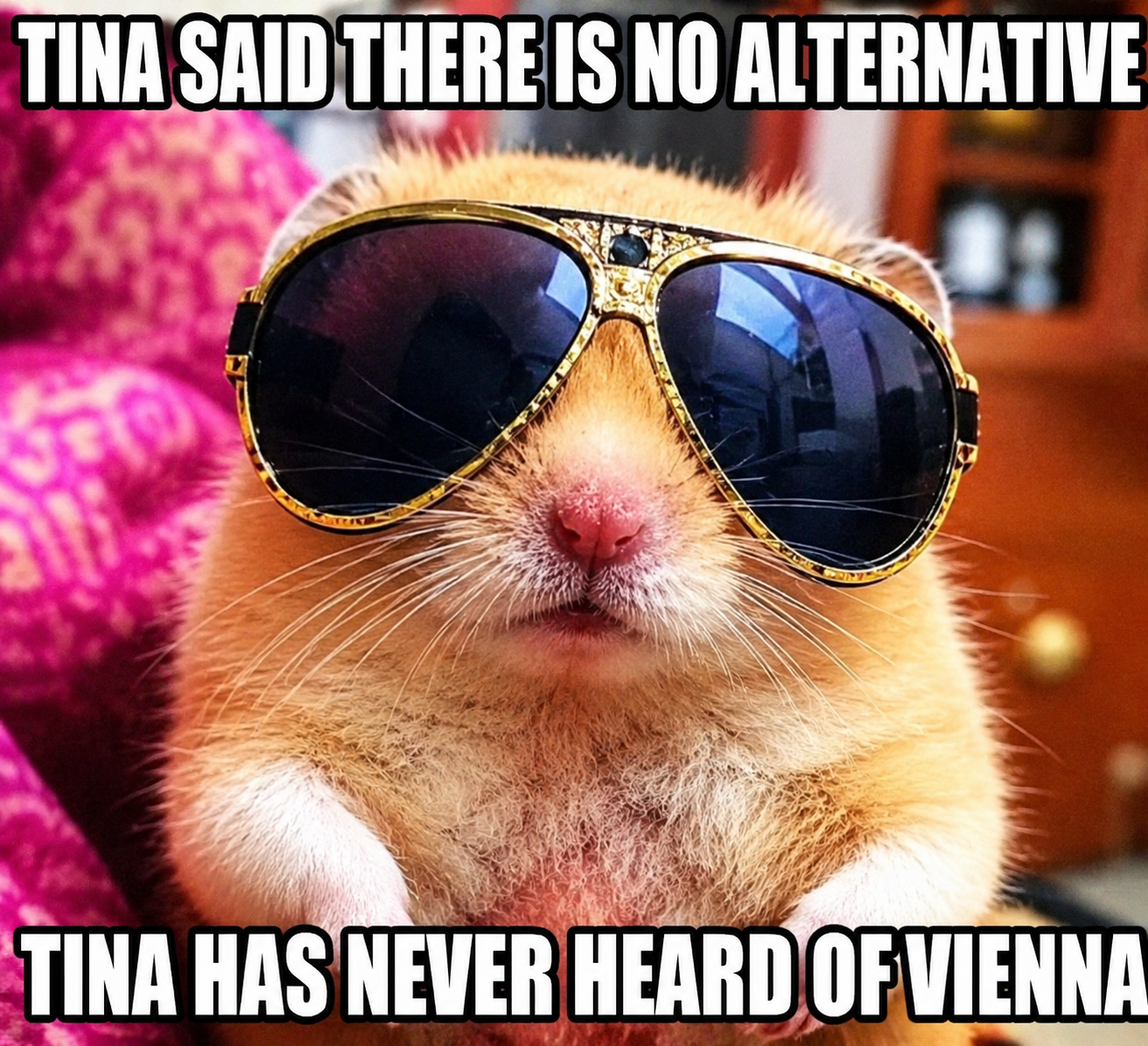
The writer Mark Fisher called this "capitalist realism" β the widespread sense that it is easier to imagine the end of the world than the end of the current economic order. This isn't a rational conclusion from evidence. It's the product of 40 years of deliberate work: defunding alternative institutions, discrediting experiments in public ownership, and ensuring that the only economic structures most people ever encounter are profit-driven ones.
The alternatives aren't utopian abstractions. Worker cooperatives, community land trusts, public banks, mutual aid networks β these exist now, function now, and often outperform their private equivalents on measures like worker wellbeing, resilience, and community impact. They're just not in the curriculum, not in the news, and not in the political mainstream.
Source: Mark Fisher, Capitalist Realism (2009); Margaret Thatcher, Sunday Times interview, 1981
The hamster has done its research.
So the system extracts, shapes minds, and makes itself feel inevitable. But what happens when people push back anyway?
Part 4: The mechanisms the system uses to defend itself when ideas aren't enough.
Part 4 β The enforcement layer
When ideas aren't enough, there are harder tools.
Democracy, law, and the state present themselves as neutral arbiters. But trace who they consistently protect β and a very clear pattern emerges.
π³οΈ
Mechanism 1 β Democracy
Your vote counts. Their money counts more. And when the wrong side wins, capital has a veto.
Elections are real. But who funds the candidates? Who owns the media platforms? Who decides which ideas count as "electable"? The cage isn't the ballot. It's everything around it.
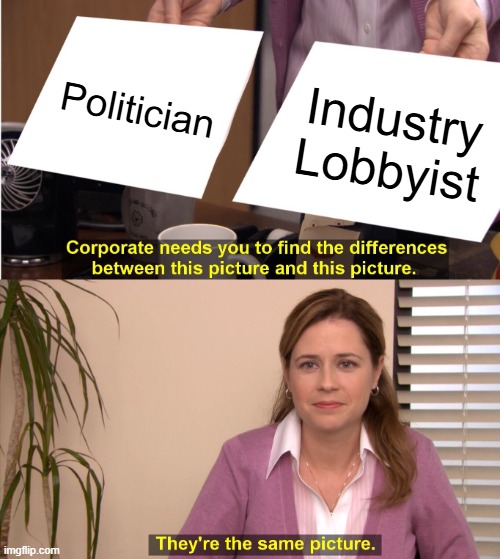
When Greece voted overwhelmingly against EU austerity in 2015, the EU imposed even harsher conditions the following week. When capital decides a democratic result threatens its interests, it has mechanisms beyond the ballot: bond market attacks, capital flight, media campaigns, and β in extreme historical cases β direct intervention. Chile's democratically elected socialist government was overthrown in a US-backed coup in 1973.
In Germany, the revolving door between politics and industry is well-documented. Gerhard SchrΓΆder became chairman of Gazprom's supervisory board after leaving office. Ronald Pofalla moved from CDU chief of staff to Deutsche Bahn's board without a cooling-off period. Sigmar Gabriel joined Thyssenkrupp. The same people write the rules and then profit from them β legally.
This isn't an argument that voting is useless. It's an argument that as long as who owns the means of production remains unchanged, political changes will be absorbed or reversed. The underlying logic: economic structure shapes political outcomes, not the other way around.
Source: Yanis Varoufakis, Adults in the Room (2017); Naomi Klein, The Shock Doctrine (2007)
The revolving door has been revolving since 1850.
βοΈ
Mechanism 2 β The law
The law protects what already exists. What already exists is unequally owned.
Property law came first. Labor rights, environmental protections, human rights β these came later, and came from struggle against the law. The law isn't neutral: it was written at specific moments in history, by specific people, to protect specific interests.
Squatting in an empty building is a crime. Leaving a building empty while people sleep outside is a legal investment strategy. Blocking a coal pipeline is a criminal offense. Lobbying against climate legislation is a legitimate and tax-deductible business activity. These asymmetries aren't coincidences β they reflect whose interests the law was designed to protect.
Every right workers have today β the right to organize, to strike, to safe working conditions, to minimum wage β was fought for against the existing law, not with it. The law was on the employer's side every time, until enough people organized to force a change. That's not an argument against law. It's an argument about whose law it starts as β and who has to fight to change it.
Source: E.P. Thompson, Whigs and Hunters (1975); Anatole France, Le Lys Rouge (1894)
Strongly protected by law
Private property
Corporate contracts
Shareholder rights
Eviction rights
IP & patents
Weakly protected or contested
Right to housing
Right to strike
Right to protest
Collective bargaining
Living wage
π‘οΈ
Mechanism 3 β State force
The institution has a 200-year track record. Look at who it has consistently protected β and who it hasn't.
Every officer is a human being with full dignity and rights. But the institution has a pattern. Suffragettes β arrested. Trade unionists β arrested. Civil rights marchers β arrested. Climate activists β arrested. Tax-avoiding billionaires β not arrested. The pattern is not random.
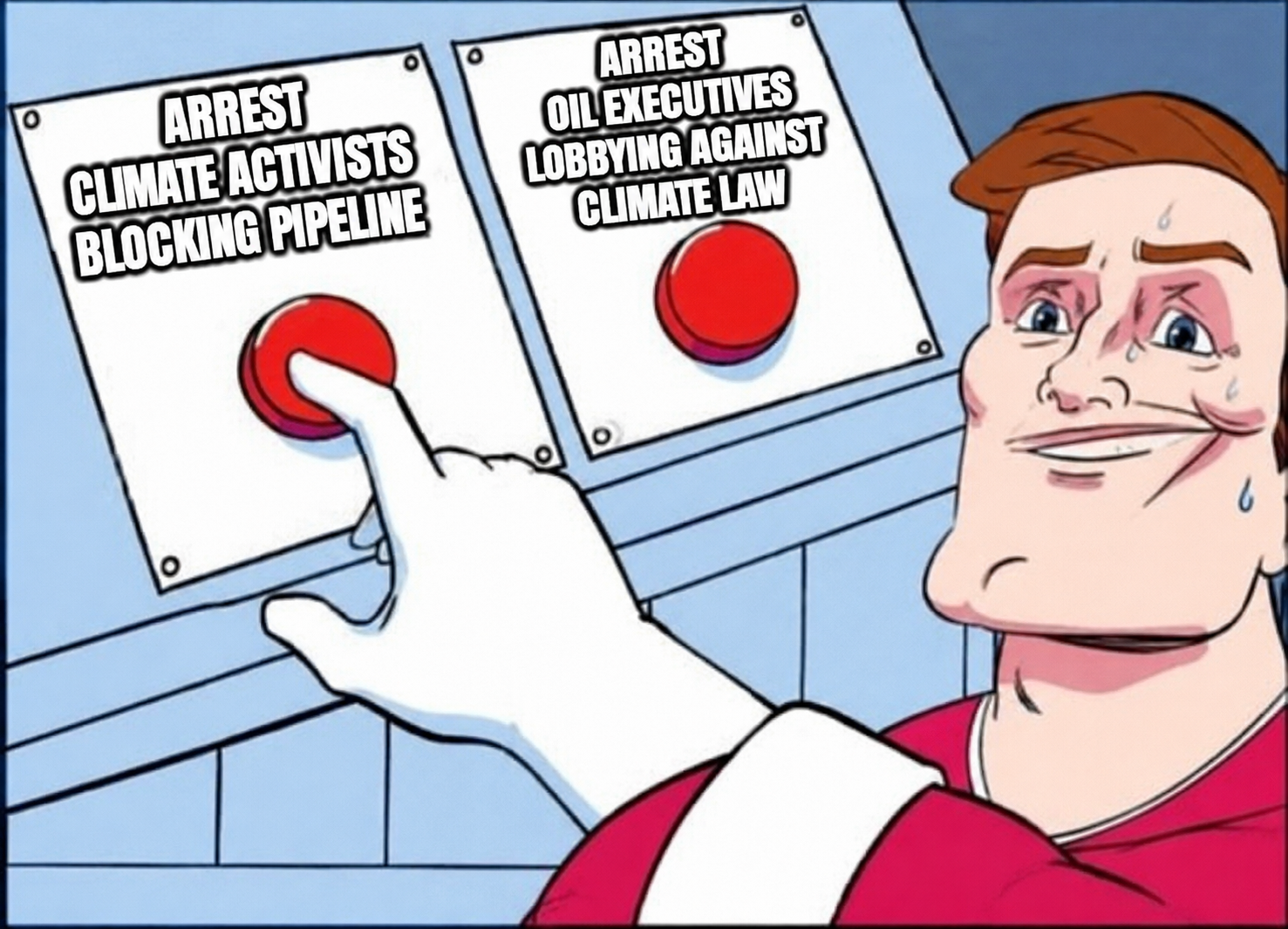
Lenin argued in State and Revolution (1917) that the state is not a neutral arbiter between classes β it is an instrument of class rule. Police and military are "special bodies of armed men" whose structural function is to maintain the existing order, which means protecting existing property relations.
In Germany in January 2023, thousands of police cleared climate activists from LΓΌtzerath so that energy company RWE could mine the coal underneath it. RWE then invoiced the police for their own "administrative assistance" β the corporation billed the state for its own protection. When activists subsequently blocked a RWE coal power plant, RWE sued them for β¬1.4 million in damages. The pipeline gets protected. The atmosphere doesn't.
This is not an argument against every individual police officer. It is an argument about what the institution is structurally designed to protect β and the 200-year historical record is consistent.
Source: V.I. Lenin, State and Revolution (1917); Riffreporter, LΓΌtzerath FAQ (2023); LTO, RWE Schadensersatz (2023)
The system, choosing.
So the system extracts, destroys, shapes what you think, and defends itself when challenged. Is there a way out?
Part 5: What actually works β the alternatives that already exist.
Part 5 β The direction
Not a blueprint. A direction.
Nobody has a complete map. Anyone who claims to is selling something. But you don't need a complete map to know which direction to walk. Here's what the evidence points toward.
π§
Two different tools β both matter
Winning better conditions inside the system and changing who owns the system are both worth doing. But they're not the same thing.
Unions, minimum wages, welfare states β these are real gains that make life meaningfully better and are worth fighting for. But they don't change who owns production. Which means the pressure to extract never fully goes away. Better conditions now. Different structure for the long run. Both, not either.
Rosa Luxemburg, in Reform or Revolution (1899), argued that social reforms are necessary and worth fighting for β but they operate within the logic of capitalism, not against it. A minimum wage improves workers' lives significantly but doesn't change the fact that they must sell their labor to survive, or that surplus value continues to be extracted.
The structural limits of reform became visible in the 20th century: Scandinavian social democracy built the most generous welfare states in history β but when capital felt threatened, it moved. Investment relocated, tax bases eroded, and the constraints of operating within global capitalism reasserted themselves. Social democracy could redistribute within capitalism; it couldn't transform the underlying ownership structure.
This isn't an argument against reform. It's an argument that reform alone, without structural change to who owns production, will always be reversible. Every gain can be taken back β and in the neoliberal era since the 1980s, many have been.
Source: Rosa Luxemburg, Reform or Revolution (1899); Wolfgang Streeck, Buying Time (2013)
ποΈ
Vision 1 β Work
Enterprises run by the people who work in them. The surplus stays with those who created it.
Decisions about what gets produced, at what price, under what conditions β made democratically by those affected. Not by external shareholders who have never set foot in the building. And when a machine replaces a task? In a worker-owned enterprise, that means everyone works less β not that someone loses their income so a dividend can increase. Automation becomes liberation instead of a threat. Mondragon isn't a utopia. It's a 70,500-person proof of concept.
Worker ownership changes the fundamental logic of the firm. Instead of optimizing for shareholder return, firms optimize for the wellbeing of their members β which changes decisions about wages, working hours, automation, safety, and long-term planning in ways that consistently favor workers over extraction.
The Mondragon Corporation in Spain: β¬11 billion in revenue in 2023, 70,500 worker-owners across manufacturing, finance, retail, and education. One worker, one vote. Pay ratios capped at 6:1. When the 2008 crisis hit, workers voted to reduce hours rather than lay off colleagues. Italy's Emilia-Romagna β one of Europe's wealthiest regions β runs 40% of its workforce through cooperatives.
The transition question is real: how do you get from here to there? Historical answers include gradual worker buyouts, legal right-to-buy frameworks, and new enterprise law that defaults to cooperative structure. None of these require a revolution. They require political will.
Source: Mondragon Corporation Annual Report 2023; ILO Cooperatives and the SDGs (2022); Erik Olin Wright, Envisioning Real Utopias (2010)
π₯
Vision 2 β Basic needs
Housing, healthcare, education, and energy organized around need β not around what you can pay.
Not because markets are inherently evil β but because markets optimize for profit, and profit and human need diverge exactly at the moments that matter most. When you're sick. When you're homeless. When you're young and have nothing yet. The question was never "can we afford it." Vienna, the NHS, and public universities already answered that.
Vienna's Gemeindebau has housed 60% of the city's residents in subsidized apartments since the 1920s β average rent β¬8/sqm vs β¬20+ in Berlin's private market. No shareholders. No profit extraction. Vienna consistently ranks among the world's most livable cities. The NHS spends $4,000 per person per year and achieves better outcomes than the US at $12,000. The difference isn't medical care quality. It's whether a profit margin is extracted from every transaction between a sick person and a doctor.
A world where basic needs are met doesn't eliminate ambition or initiative. It removes the threat that keeps people compliant. When you can't lose your home or your healthcare by saying no to a bad job, your bargaining power is fundamentally different. That's exactly why it's resisted.
Source: Stadt Wien Wohnbau 2024; OECD Health Statistics 2023; Commonwealth Fund Mirror Mirror 2023
πΊοΈ
Vision 3 β Power
Economic democracy as the natural extension of political democracy.
We accept that no single person should have unchecked political power. We vote, we have constitutions, we have courts. We haven't applied the same logic to economic power β yet. A society where decisions about production, investment, and resources are made democratically: not just in parliament, but in workplaces, in communities, in the structures that shape daily life.
BlackRock, Vanguard, and State Street are simultaneously the largest shareholders in virtually every major corporation on earth. The concentration of economic power we'd find intolerable in politics is treated as normal in markets. We have no mechanism to vote them out.
Economic democracy doesn't mean a vote on every business decision. It means structures governing investment, production, and distribution are accountable to the people they affect β through worker representation, community ownership, democratic planning, and public institutions with genuine mandates. Germany's Mitbestimmung β codetermination laws requiring worker representation on supervisory boards β is a partial step. The direction is right.
Anyone with a complete answer is lying. Here's what's genuinely uncertain β and why that's okay.
How exactly you transition. How fast. What to do with global supply chains. How to handle coordination at scale. These are real questions without clean answers. The goal isn't a system that's perfect. It's a system that can be corrected β by the people living in it.
The 20th century produced experiments in centrally planned economies. Most failed β not because public ownership is inherently unworkable, but because they combined it with political authoritarianism that removed the feedback mechanisms that make any system correctable. The lesson isn't "public ownership doesn't work." It's "public ownership requires democracy to function."
The open questions are real: How do you price things without markets in complex economies? How do you handle international trade across different ownership structures? How do you prevent bureaucratic capture replacing shareholder capture? Smart people disagree.
What isn't uncertain: the direction. Less extraction, more ownership. Less concentration, more distribution. Less short-term profit logic applied to survival needs, more long-term democratic planning. You don't need a complete map to know which direction to walk.
Source: Diane Coyle, The Economics of Enough (2011); Rutger Bregman, Utopia for Realists (2016)
This isn't theoretical. Mondragon β 70,500 worker-owners in the Basque Country. Vienna β 60% of the city in public housing at β¬8/sqm. The NHS β universal healthcare at half the US cost. Emilia-Romagna β 40% cooperative workforce, one of Europe's wealthiest regions. The direction already exists. The question is scale.
"The philosophers have only interpreted the world. The point, however, is to change it."
β Karl Marx, Theses on Feuerbach, 1845 Β· Part 6: What that actually means in practice.
Part 6 β Action
Understanding the machine is necessary. But it's not enough.
The history of change shows clearly: understanding why things are broken doesn't automatically fix them. It requires organization, strategy, and the willingness to act β not just to understand.
β³
What history shows about crises
Crises don't automatically produce change β they can just as easily produce something worse.
Economic and political crises open space β but the direction of a crisis depends entirely on who is organized and ready when it arrives. The 2008 financial crisis is proof.
The 2008 financial crisis nearly collapsed the global financial system under the weight of its own speculation. The result wasn't structural change β it was massive bailouts for banks, austerity imposed on everyone else, and the rise of right-wing populism across the Western world. The organized left was not present enough in communities, not coherent enough in its program to offer a credible alternative when the crisis opened political space.
The lesson from history is consistent: change requires organization before the crisis, not just anger during it. V.I. Lenin put it directly in What Is To Be Done? (1902): a million people who are angry and isolated accomplish dramatically less than ten thousand who are organized and connected. The time to build that capacity is now β not when the next crisis arrives.
Source: V.I. Lenin, What Is To Be Done? (1902); State and Revolution (1917)
π§
How change actually happens
Real change has never come from asking politely. It comes from organized disruption that raises the cost of the status quo.
The 8-hour workday. Women's right to vote. Civil rights. The end of apartheid. None came from elections alone. They came from strikes, blockades, boycotts, and civil disobedience that made the cost of not changing higher than the cost of changing. Strikes work because they reveal something the system usually hides: without workers, nothing moves.
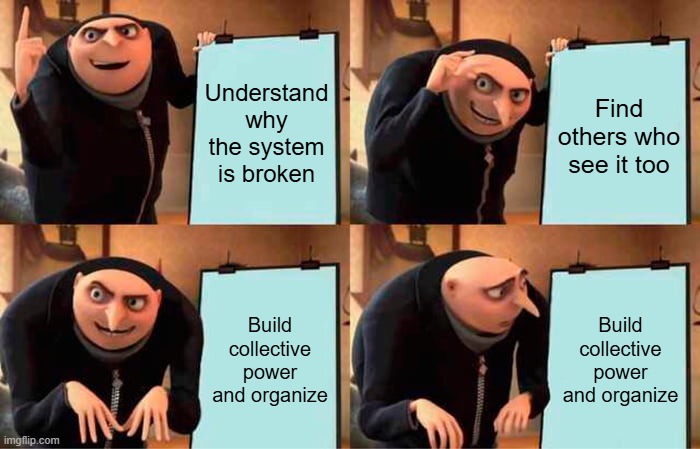
The 8-hour workday was won through the labor movement's willingness to strike and face violent suppression β not through petition. The suffragettes who won women's right to vote broke windows, went on hunger strikes, and were force-fed in prison. The US civil rights movement used economic boycotts β the Montgomery Bus Boycott cost the city's transit system over 70% of its revenue over 381 days β and marches that forced direct confrontation with the law.
Martin Luther King Jr., often cited today as a model of "acceptable" protest, was viewed as a dangerous radical by the majority of white Americans during his lifetime. His tactics disrupted business, blocked traffic, and filled jails β because that was the point. Disruption changes the cost-benefit analysis for those with power.
The pattern is consistent: movements that only operate within the permitted channels of existing power rarely transform that power. Movements that impose real costs β economic, reputational, operational β create the pressure that makes structural change politically viable for those in positions of power.
Why waste and port workers punch above their weight. Some workers have disproportionate leverage because of where they sit in the system. When New York City sanitation workers struck in 1968, 100,000 tonnes of garbage piled up on the streets in nine days. The city capitulated within two weeks. When Liverpool dock workers were dismissed and refused reinstatement in 1995, their dispute triggered solidarity actions across 100 ports in 20 countries β a global supply chain disruption from one port's workforce. Hamburg port workers have repeatedly used strikes to force concessions from logistics giants. The reason: you can delay a negotiation, but you cannot delay the tide of containers backing up. Essential workers in logistics and infrastructure hold leverage that no amount of shareholder pressure can replicate.
Source: Gene Sharp, From Dictatorship to Democracy (2002); Joshua Freeman, Working Class New York (2000); Liverpool Dockers Strike documentation 1995β1998
Political apathy isn't a character flaw. It's a learned response β and it was engineered that way.
Psychologists call it learned helplessness: when actions repeatedly fail to change outcomes, people stop trying β even when the situation changes and action would work. Decades of "your vote doesn't matter," "protests accomplish nothing," "the system is too big" produce exactly this. That feeling isn't weakness. It's adaptation. And it can be unlearned.
In the 1960s, psychologist Martin Seligman discovered that animals exposed to repeated inescapable situations eventually stopped trying to escape β even when escape became possible. He called this learned helplessness. The same mechanism operates in humans in political contexts. When people repeatedly experience that their actions change nothing β protests ignored, votes that seem meaningless, petitions filed away β they internalize the lesson: don't bother. This isn't irrational. It's a rational adaptation to a specific history of defeat.
A related mechanism: psychologist John Jost's system justification theory (1994) found that people have a psychological drive to believe existing systems are fair β even when those systems disadvantage them personally. Believing the system is just reduces anxiety. Believing it's unjust requires action, and action feels risky. The mind often chooses comfort over disruption, especially when disruption feels futile.
What reverses both: small wins that rebuild collective efficacy. Research on political organizing consistently shows that people who experience even minor collective successes β a workplace grievance resolved, a rent increase defeated, a local campaign won β become dramatically more likely to engage in larger action. The path out isn't motivation. It's the lived experience of collective power, however small the first step.
Source: Martin Seligman, Helplessness (1975); John Jost et al., "A Decade of System Justification Theory", Political Psychology (2004); Bert Klandermans, The Social Psychology of Protest (1997)
π³
Your money votes β whether you decide to or not
Right now, your bank account is probably funding things you'd never consciously choose to fund.
Where you bank, where you shop, what you stream β these aren't just personal preferences. They're economic signals that determine which structures survive and which don't. You're already participating in the system. The question is whether you do it consciously.
Your bank account
JPMorgan Chase, Bank of America, Barclays, and most major retail banks use customer deposits as leverage for loans to fossil fuel projects, arms manufacturers, and large-scale real estate speculation. JPMorgan Chase alone has provided over $430 billion in fossil fuel financing since the Paris Agreement. You don't see this. It just happens. Credit unions and cooperative banks operate under member ownership and publish what they finance. Moving accounts is one of the highest-impact individual financial decisions available β and it takes one afternoon.
Your energy provider
BP rebranded from "British Petroleum" to just "BP" with a sunflower logo in 2000, announced it was going "Beyond Petroleum" β and continued spending 96% of its capital budget on oil and gas. Shell has run climate-friendly ad campaigns while lobbying against binding climate legislation in every jurisdiction where it operates. When choosing an energy provider, the question isn't the branding. It's the ownership structure and where the profits go.
Where you shop
Amazon has faced sustained strike action from warehouse workers across the US, UK, and Europe over working conditions and union rights β a conflict funded by every Prime subscription and purchase. Walmart has a documented decades-long record of suppressing unionization efforts. REI, by contrast, is a consumer cooperative β owned by its members, not external shareholders extracting dividends. The ownership structure of where you spend determines who benefits.
The most powerful version: cancel a subscription or move an account, write one sentence explaining why, and say it publicly. That's economic signal plus political education in two minutes.
You don't have to change everything. You have to start somewhere β and that somewhere is where you already are.
Every level matters. Starting small isn't failing to start big β it's building the infrastructure that big change requires. Collective power begins with two people who decide to act together rather than separately. Every large movement started exactly that small.
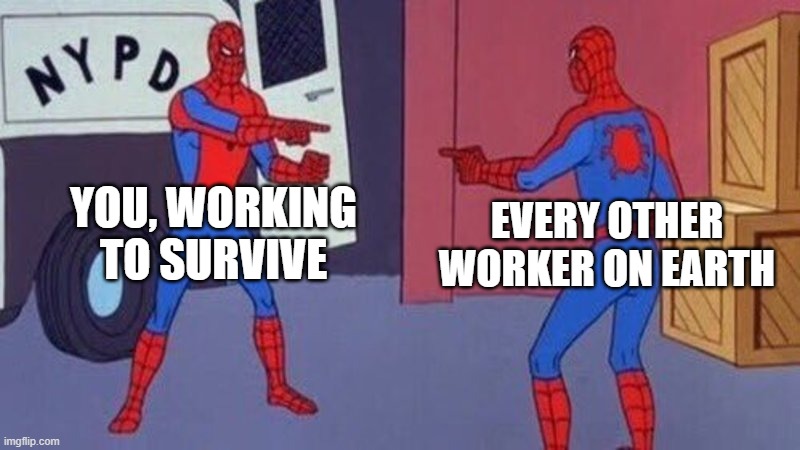
Level 1 β Understand and share (today, takes 2 minutes) Share this page. Have one conversation about what you read. That's political education β and political education is organizing. The people around you are experiencing the same system. Most of them haven't had language for it yet. Give them some.
Level 2 β Join what already exists (this week) You don't have to start anything. Unions, tenant associations, climate groups, mutual aid networks already exist almost everywhere. Find one near you and show up once. Showing up is the entire first step. Everything else follows from being in the room.
Level 3 β Economic solidarity (ongoing, fits into daily life) The point above covers this in detail. Short version: move your money to a credit union or cooperative bank. Switch energy provider. Be intentional about where you spend. And when you do β say why. Coordinated collective choices with public explanation are economic pressure. The Montgomery Bus Boycott was 381 days of that, at scale.
Level 4 β Build something local (this month) Start a reading group. Organize a mutual aid network in your building or neighborhood. Talk to a colleague about the legal right to form a workers' council. You need exactly two people to begin. That is literally how every large movement in history started β two people deciding to act together instead of separately.
Level 5 β Organized disruption (when you're ready β your decision) Strikes. Blockades. Boycotts. Civil disobedience. This is the level that historically creates the pressure that moves things when everything else hasn't. It carries real risks β legal, professional, personal. Understanding those risks clearly before acting is part of acting responsibly. This is your choice to make with open eyes.
Strikes in particular. Not because they're the only tool β but because they reveal the system's central secret: it only runs because workers allow it to. A strike doesn't destroy value. It withholds it β temporarily β to demonstrate who actually produces it. When garbage collectors stop work, cities discover within days how essential they are. When port workers stop loading containers, entire supply chains seize up within weeks. The leverage isn't in the workers' anger. It's in their position. The people closest to the bottom of the wage scale are often closest to the heart of the system.
Further reading: Jane McAlevey, No Shortcuts (2016); adrienne maree brown, Emergent Strategy (2017); Gene Sharp, 198 Methods of Nonviolent Action (1973); Rosa Luxemburg, Reform or Revolution (1899)
That's the whole point.
"Without revolutionary theory there can be no revolutionary movement."
β V.I. Lenin, What Is To Be Done?, 1902
You've read this far. That already puts you ahead of where most people are β not because you're smarter, but because you took the time. The next step is finding one other person who sees it too. Share neomarx.org. Everything else follows from that.